A title about certainty might suggest a singer who already has all the answers. Tashikana Koto begins from a less comfortable position. The Korean essay behind this reading follows someone considering what care requires before offering reassurance. Its tenderness comes partly from that hesitation: the promise has passed through a question about responsibility.
A question changes the weight of a promise
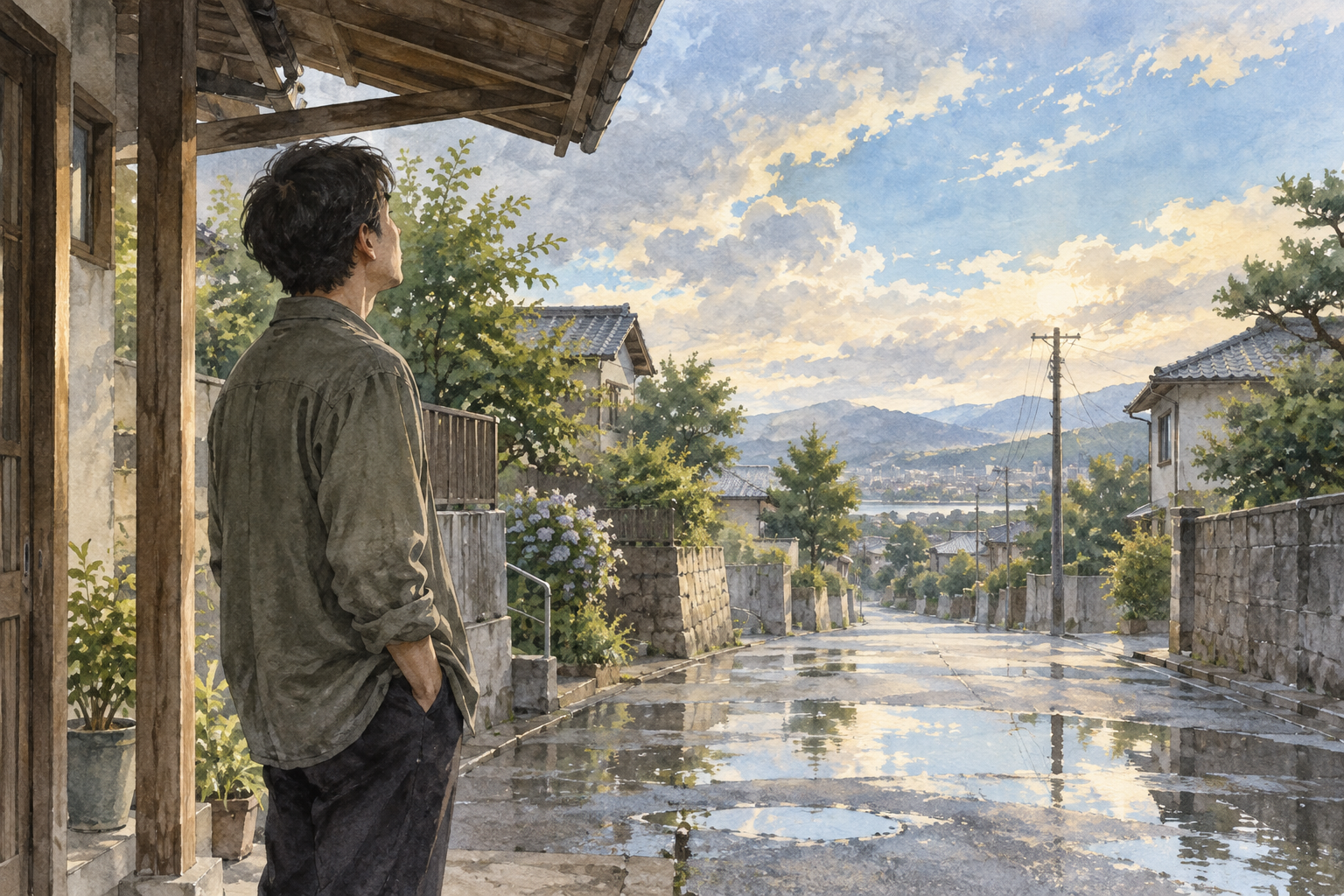
The first distinction is between declaring strength and considering what another person needs. A promise can sound impressive while remaining vague about the work behind it. A question interrupts that performance. It directs attention toward the speaker's capacity to help, rather than toward how reassuring the speaker would like to appear.
This is why the opening matters when we hear the later assurance. Without it, the song could be reduced to an uncomplicated pledge of protection. Remembering the hesitation makes the pledge sound more deliberate. The voice need not possess control over every future event to decide that care is worth continuing. Certainty about a commitment and certainty about an outcome are different things.
Care belongs to ordinary time
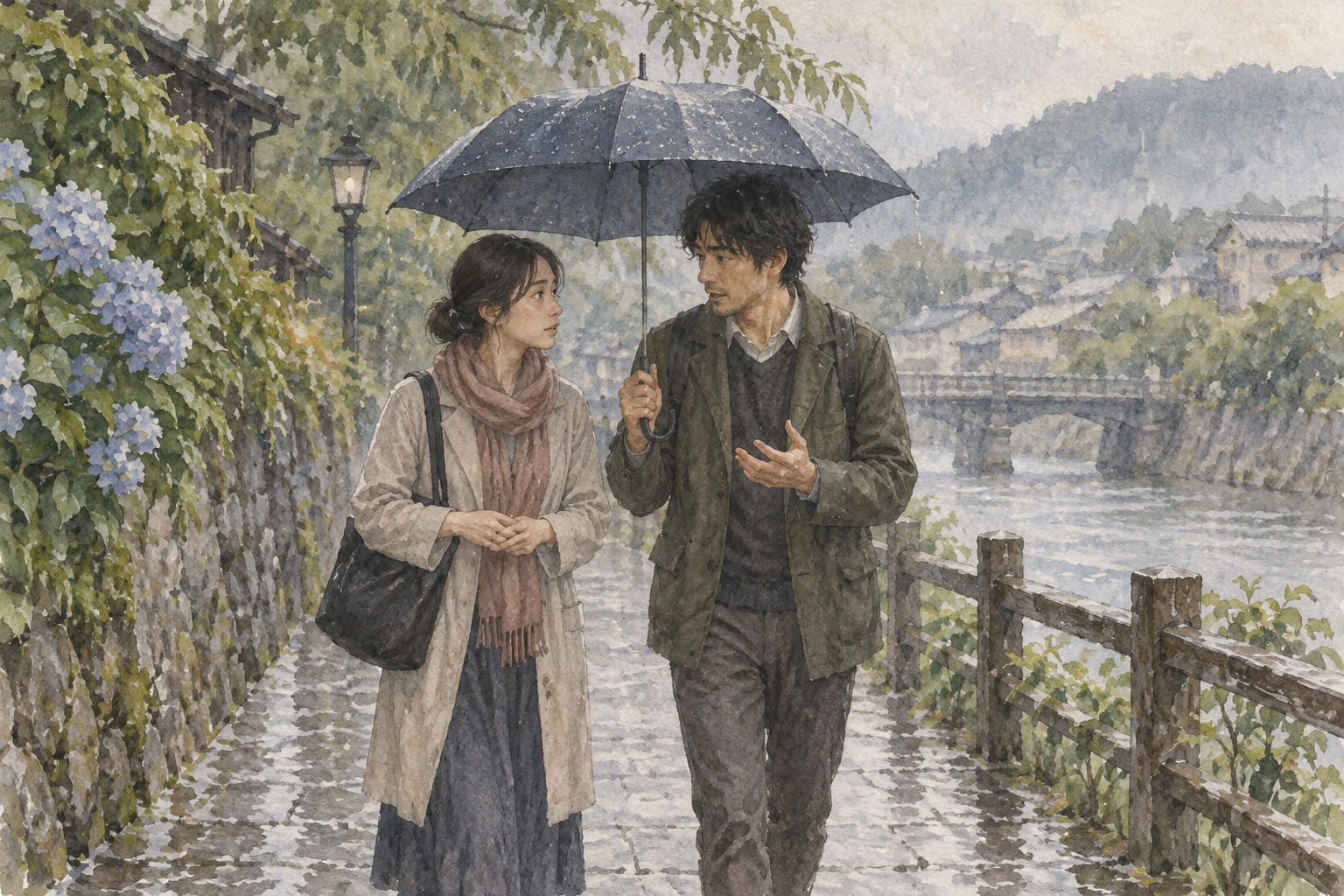
The owner's Korean reading places everyday attention ahead of exceptional gestures. That is a useful change of scale. A relationship cannot exist only on occasions important enough to photograph or commemorate. It also occupies the unremarkable stretches between them, when there may be nothing dramatic to offer except noticing how the other person is doing.
The encouragement toward self-regard matters in this context. Care need not make its recipient smaller or more dependent. It can include reminding someone that their own treatment of themselves deserves gentleness. This reading does not turn the song into a set of instructions for a relationship; it identifies a direction within its reassurance, away from possession and toward attention.
A shared sky does not remove every distance

The landscape gives the idea of companionship a physical setting. The Korean essay reads the sky and wind as ways of feeling that two people inhabit the same time. That is more modest than a claim that distance has ceased to matter. The comfort comes from belonging to a shared present, even when feelings remain difficult to resolve.
The song need not erase old wounds to sustain that comfort. A promise that depends on everything already being healed would arrive too late for many of the moments when reassurance is needed. In this interpretation, the title's certainty lies in continuing to attend to someone. It is an attitude practiced now, rather than a guarantee that tomorrow can no longer hurt.
A question for your next listen
Listen for the difference between the question near the beginning and the reassurance that follows. Does the question weaken the promise, or make it more credible? Then notice how often the song returns from an enormous idea of love to the scale of an ordinary day.
Song details and listening
Kazumasa Oda wrote and composed Tashikana Koto (たしかなこと), released as a single on May 25, 2005. The player is the official audio, not a music video. Its Ano Hi Ano Toki album presentation belongs to the later 2016 collection, not the original single release. Official release or recording details.
An English adaptation of our Korean reading, checked against the Japanese lyrics. This is commentary rather than a full lyric translation. The illustrations are imagined scenes.