There are times when what one wants is not great success, but simply a day of eating until full and resting comfortably. Yet if even that modest daily life proves hard to attain, the mind grows rougher. “Namen Mokusume” presses into this contradiction: wanting to live in peace while being unable to escape from conflict. Amidst the harsh sounds, the hunger for ordinary happiness remains strikingly clear.
A hunger that remains even when the body is filled
Expressions related to eating and the body hit hard from the very start. This is a song where the immediate sensation of surviving takes precedence over abstract ideals. There is also a sense of frustration that neat, principled arguments cannot fill the void in reality. While there are plenty of correct words, the warmth needed right now remains lacking.
Mimicking exemplary behavior or comparing oneself to others does not bring peace of mind. As the daily cycle of eating, crying, and enduring repeats, it becomes clear that food is not all that is needed. The hunger extends to a desire for recognition and acceptance from someone else. Thus, beneath the song's rough momentum lies a lack that is easily left unfilled.
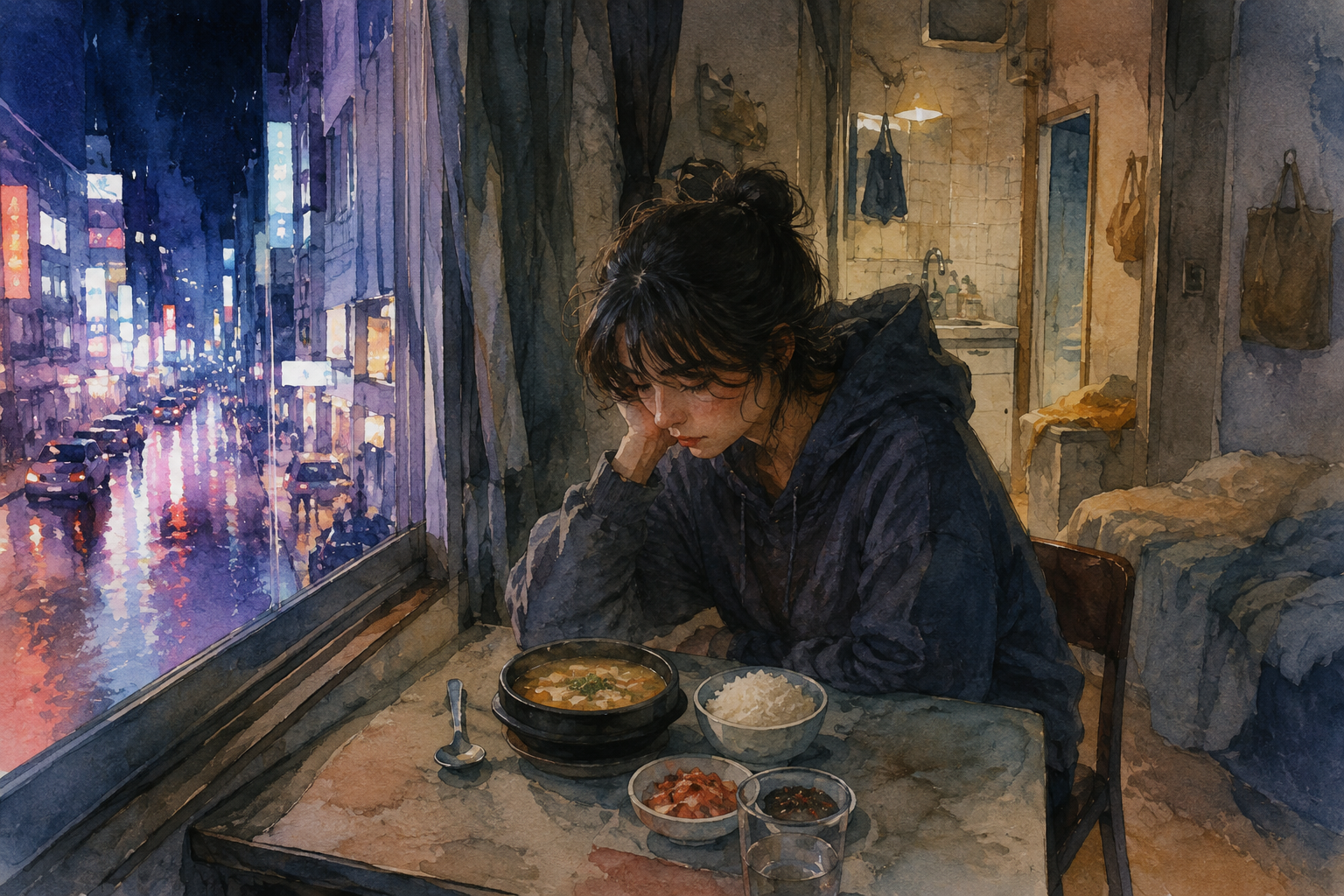
Why does the desire for a quiet life always lead back to conflict?
When the song shifts to a humble scene of watering a potted plant, its emotional temperature briefly changes. It becomes clear that the daily life the speaker desires is unexpectedly small and specific. However, the sensation of confrontation soon intrudes, causing the desire for an ordinary existence to waver once again.
In particular, the feeling that love can only be earned through conflict prevents a relationship from becoming a place of rest. This is where one finds the reason for reacting sharply despite having no desire to hurt. Rather than hearing this as a justification for fighting, it is more painful to hear it as the helplessness of someone whose very means of showing affection has become rough.

Rather than counting the chances left, hold on to today while still alive
The title's 'remaining lives' evokes the concept of spare lives in a game. In real life, however, there is no way to count exactly how many more times one can endure. Opportunities do not multiply simply because you try harder. This uncertainty overlaps with the urgency of the recurring chorus, revealing just how exhausting it is to keep going.
The wish that lingers at the end is simply a desire to laugh over something trivial. It feels less like a victor’s declaration of having overcome every problem and more like a plea: I hope we can still eat tomorrow and share a laugh with someone. When listening again, hold onto the everyday scenes tucked between the intense passages. Because what one wants to protect is small and ordinary, the song’s desperation lingers all the longer.
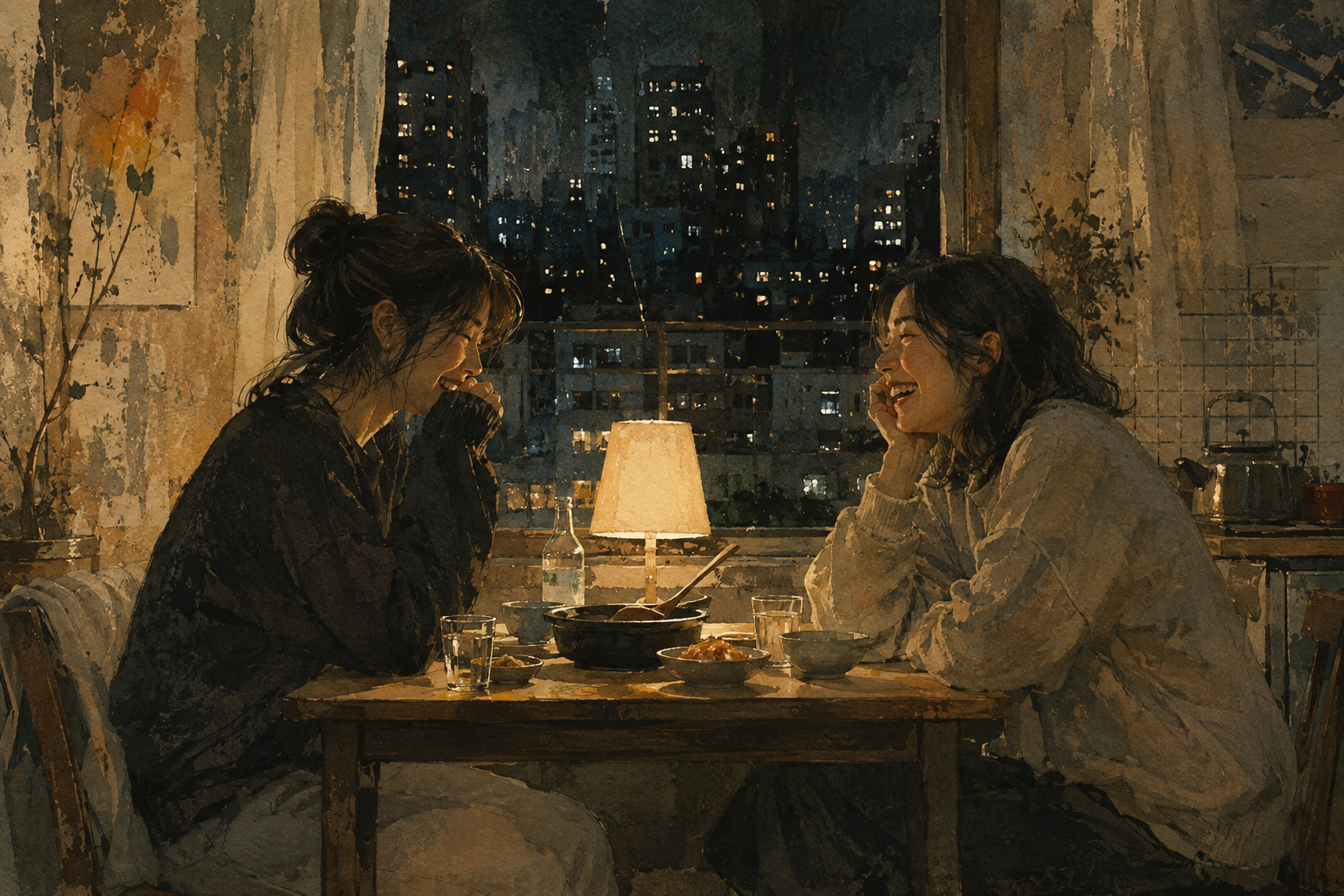
Track information and listening
Open the official video on YouTube
“Zanki” is the ending theme for episode 2 of the TV anime “Chainsaw Man.” The official site announced that the ending video would be released and the track made available on October 18, 2022. The player above features Zutto Mayo’s official music video, which is separate from the anime’s ending sequence. Even without knowing the story, listeners can focus on the desire to make a living and the wish for peace.
Chainsaw Man official ending notice and official music video
If you enjoyed this song
DROP — Even after reaching the place Minami had longed for, a thirst that does not fade can be carried on through another of her songs.
Waiting for the Rain — Minami: The moment when the words you wanted to bring up no longer come out, and the feeling of waiting, can be read together.