There are times when you endure because you want to become solid and strong, only to find that your own numbness feels more alien than anything else. “Jyūketsu Bolt” hides fear between harsh words and the expression of invincibility. Rather than hearing this song simply as a call to get stronger, listening to it as an attempt to find a way to endure without abandoning a wounded heart makes its underlying instability much clearer.
When the word 'right' grows larger than people
From the very beginning, conflicts over rights and the loss of one's heart appear side by side. There is no time to reflect on what was originally being defended; instead, the manner of fighting itself feels like it wears people down. While offering something for another person can become the meaning of life, how much of oneself remains in that process is a separate matter.
The remarks surrounding objectivity and definition later in the piece evoke a similar sense of discomfort. Simply siding with what is right does not fully explain how one feels about it. This section reads less as an argument for erasing all distinctions between right and wrong, and more as a refusal to let people be so easily reduced to a single judgment.

A Small Fear Beside the Word Invincible
The chorus places its hopes in an uncontrollable self and pushes through to a sensation of invincibility. Yet from behind that powerful movement, a voice saying it is scary emerges. Moving past the earlier declaration to reach this part makes one realize that strength has not eliminated fear. It reveals a body enduring while still afraid.
The act of revisiting and carrying a sorrow that is fading into obscurity also stands apart from simple overcoming. While remembering pain may be necessary to keep fighting, being held captive by that memory is equally painful. The sense of estrangement toward a self that feels nothing conveys an anxiety: the disappearance of wounds is not the same as emotional numbness.
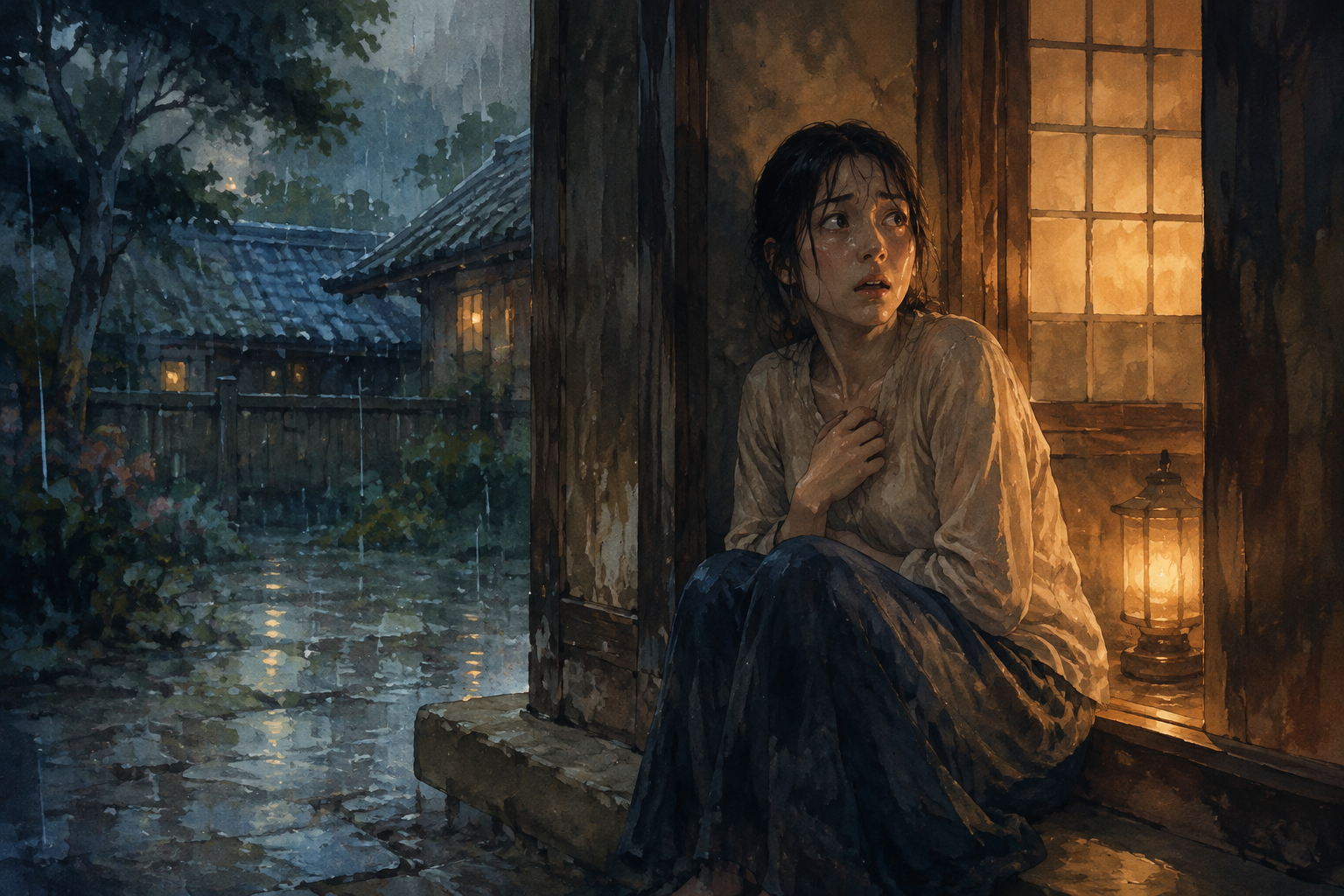
placing hope in the unexplained self
The recurring lines in the chorus gradually turn toward an unconventional version of oneself. It sounds like a sentiment that one does not have to become easy for others to predict or handle just to move forward. Shaking up standards that have grown too large inside one's head may come before finding a perfect answer right away.
It is not desirable to wrap up this song with the conclusion that all its scars made it stronger. The fear and hints of seeking help revealed along the way still linger. On a re-listen, try following the temperature difference between the grand declarations and the quieter voice. You will hear a heart that places hope in its own wavering self rather than striving to become someone unshakable.
Track information and listening
Open the official video on YouTube
The numbers marked as unverified could not be found through official searches.
This video is age-restricted on YouTube and may not play directly. Please click “Open official video” below to watch it. “Teiketsu Bolt” is the opening track of the third mini-album, “Rōraka na Hifu to Te Fufuku,” released on August 5, 2020. While the song is powerful even when listened to in isolation, hearing it in its position as the album’s opener also allows you to feel the tension that carries into the subsequent tracks.
Open official video · Universal Music album info
If you enjoyed this song
Even after reaching the place Minami had longed for, a thirst that does not fade can be carried over into another of her songs.
Lilac — Minami: For those who are tired of adjusting themselves to other people's standards, this song offers a shared space to read their weary hearts.