Judging by its title alone, “Manchanka” evokes the warmth of a shared table first. Yet the emotions within the song are far from comfortable. The speaker says they will leave, yet feels hollow without the other person; aware that their words cause pain, they still crave reassurance of love. This track lingers because it refuses to easily smooth over such contradictions.
The longing that lingers behind the words of departure
A declaration to distance oneself for the other's sake may not contain only consideration; it can also blend a desire to avoid causing further hurt with the feeling that the relationship has become too heavy to bear. The speaker in “Manzanka” reveals this by showing how their words and emotions do not move in a single direction.
Even while believing it is better to be alone, the speaker finds it hard to bear the other person's absence. Interpreting this wavering solely as proof of deep love obscures the pain the other person endures. It makes more sense to view the story as beginning from the recognition that loving someone is not enough on its own to build a good relationship.

The urge to demand proof again, even when already loved enough
When anxiety strikes, what the other person has not yet done looms larger than what they have already given. One even forgets the time spent by one's side and begins to seek fresh reassurance. The song’s suffocating quality stems from this inability to turn received love into peace of mind.
That is why the moment when the speaker becomes aware of their own selfishness matters so much. The other person does not exist solely to endlessly soothe my anxiety. While following this song's sense of urgency, I also want to keep in mind that being urgent alone does not make every demand legitimate.
From the words asking for something to a heart that also wants to give it
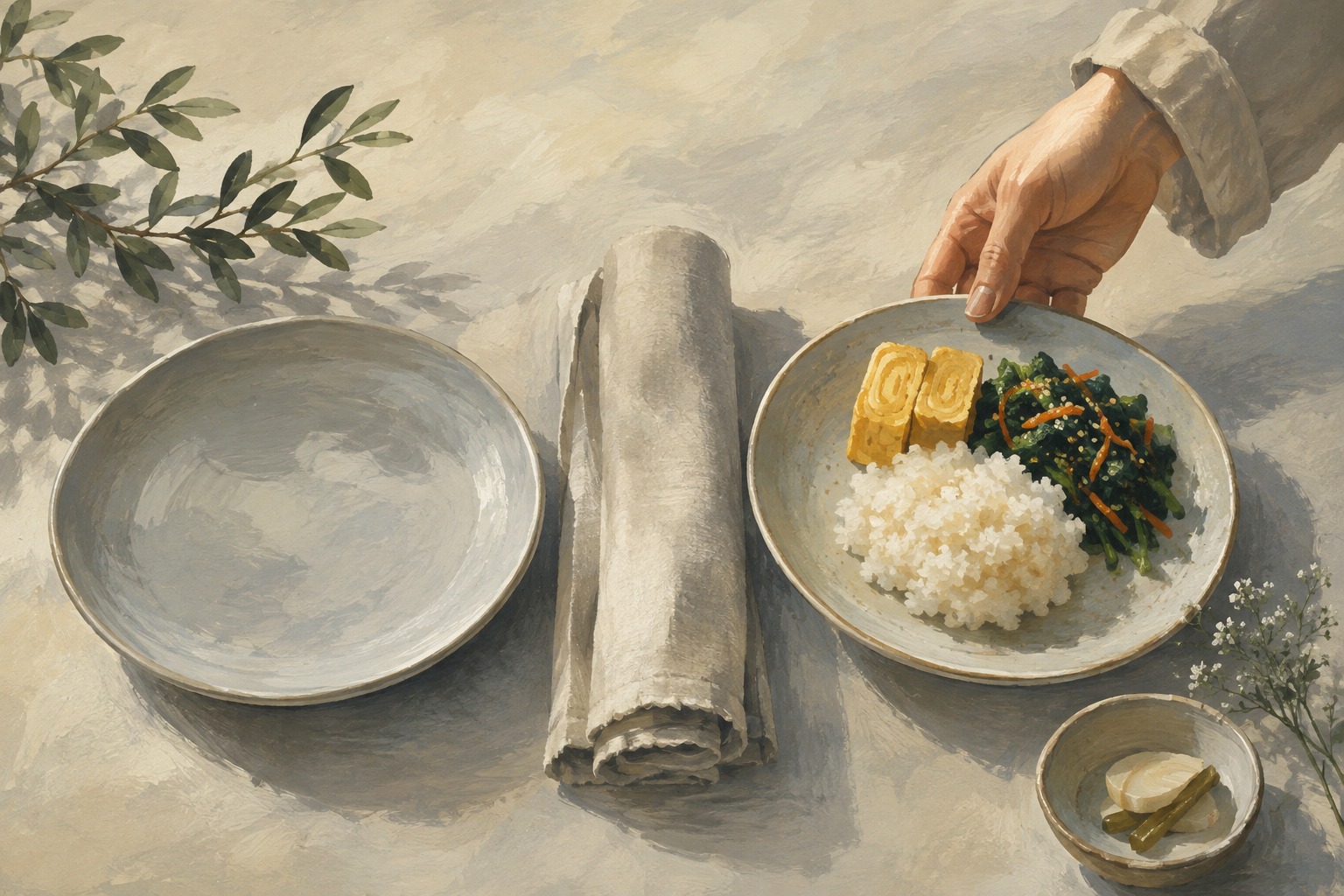
As the song progresses, the focus shifts from how much love one can receive to what kind of love one is willing to offer. This shift becomes especially clear when recalling the heart as a dining table: it marks a move from someone who merely waits for things to be prepared toward someone who tries to create and offer something themselves.
It would be difficult to conclude that all problems have been resolved, as actual action is required after making a resolve. 「晩餐歌」 sounds more persuasive when heard as the first tentative step taken by someone who has recognized their own contradictions. It prompts reflection on the gap between words meant to hold onto another and the attitude with which one actually treats them.

Listen along with the track information
Open the official video on YouTube
tuki.'s "Bansan-ka" was released on September 29, 2023. tuki. handled the lyrics and composition, while usagi took charge of the arrangement.
If the word “banquet” in the title is read as an overlay on a relationship of mutual love, it becomes easier to follow how the speaker’s demands shift. It is worth comparing how the attitude toward love changes from the opening to the closing.
It is best to preserve the contrast between the calm sections and those where the emotion builds. Rather than belting out from the very first verse, focus on tidying up the ends of phrases; in the chorus as well, avoid tightening your throat to manufacture a sense of desperation. If the high notes feel uncomfortable, lower the key and concentrate on carrying the flow of the lyrics through to the end.
Materials to review together
Official tuki. track guide
Utaite song information and original text
▶ Official music video: https://www.youtube.com/watch?v=oZpYEEcvu5I
You can check the full lyrics and Korean translation at the link below.
Utaten lyrics (with pronunciation): https://utaten.com/lyric/mi23101157/
Uta-Net original lyrics: https://www.uta-net.com/song/365906/
If you enjoyed this song
Dried Flower — Yuuri: The song lets listeners examine the conflicting feelings of a firm decision to break up and love that lingers.
사랑을 전하고 싶다든가 — 아이묭 conveys the feeling of ending up waiting for the other person's reaction, even when trying to act nonchalant, in a slightly different rhythm.