The light in "Akebono" does not illuminate the world from the start. The darkness remains deep, and the path is invisible beyond a certain point. Within that void, a small light indicates which way to go. This song's hope feels weighty precisely because it is not a reward granted only after sorrow has ended.
The morning star does not reveal the entire path
The title's 'Akeboshi' evokes the image of a star visible at dawn. Starlight does not clear the obstacles underfoot; rather, it prompts reflection on where one is headed. Interpreting the light in the song as an image of direction rather than a guarantee of success allows it to connect naturally with the track's dark and grand atmosphere.
To say that hope exists is not the same as saying there is nothing to worry about. Even when outcomes are uncertain, there may be values one does not want to let go of and reasons to keep living through today. "Akebonoshi" sounds like a song for those who grasp such reasons in their hands and move forward. What matters is less an unshakable expression than the light one looks back toward while still wavering.

The warmer the past feels, the harder it is to let go
It is not only painful memories that hold us back; even happy times can make us hesitate to move forward simply because they seem more comfortable than the present. Even knowing that we can no longer return to those places, our hearts keep drifting toward them. In this song, moving ahead also involves the pain of distancing ourselves from such a tender past.
Distance does not necessarily mean forgetting. Feelings received from others need not be confined to past scenes; they can shape how one treats someone struggling or what choices are made on days when giving up seems tempting. Rather than believing that memories must be discarded in order to move forward, listening with an awareness of where those memories direct the present self allows the warmth of the song to resonate more deeply.
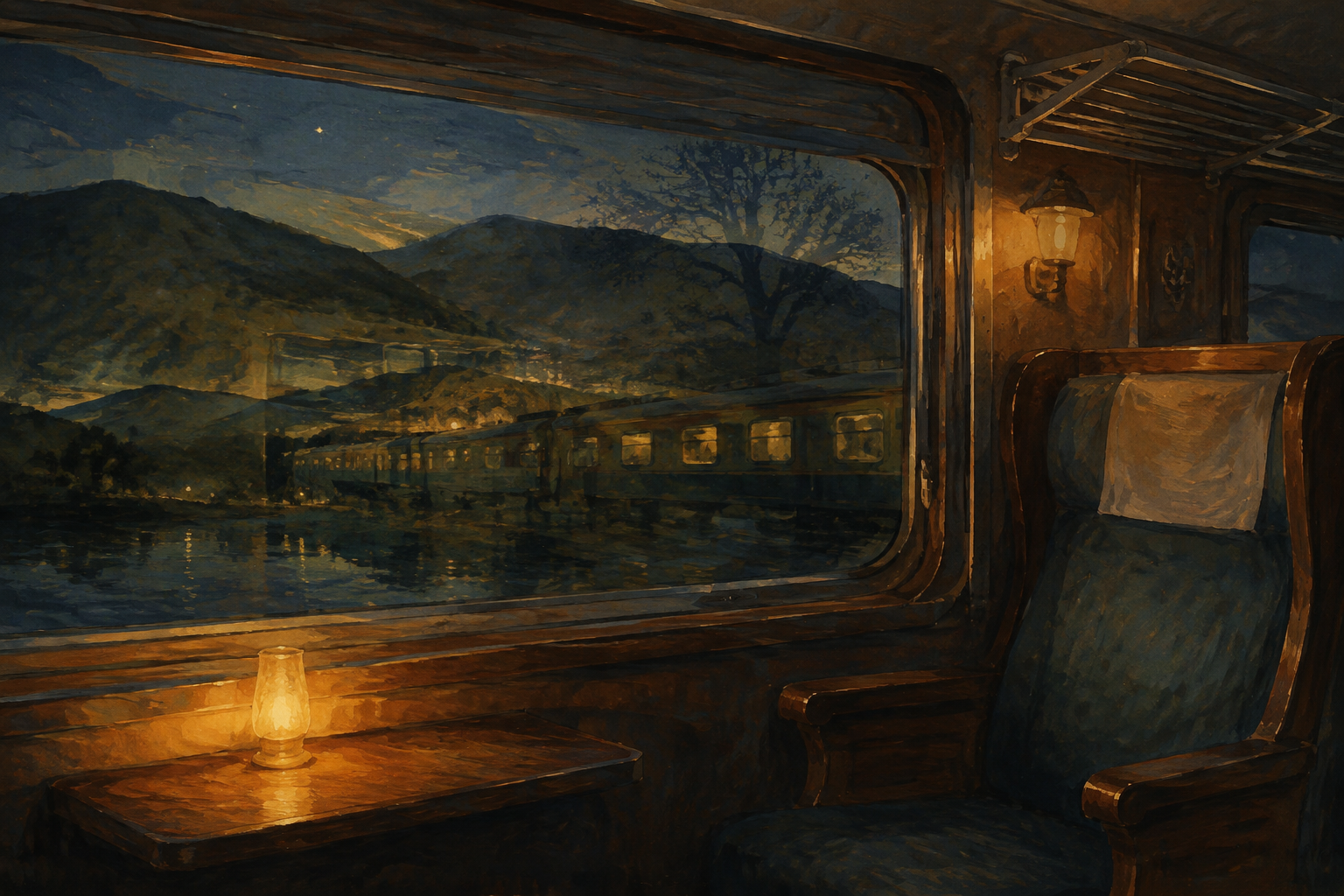
Listening to the train's motion and the dream's sway together
Open the official video on YouTube
In an interview with Animate Times, LiSA described how she perceived the intro guitar as resembling the sound of a train and the chorus's elegant strings as evoking dreamlike imagery. She explained that she discovered such scenes within the soundscape created by Yuki Kashiura, who also composed the music for the work. This passage provides specific points to follow with one's ears.
Compare the motion of the introduction with the sustained sound of the chorus. You may feel a layering where the body moves forward while the mind lingers on an old scene. For those who have seen Demon Slayer, it evokes the characters' memories; for those who haven't, it mirrors their own difficult-to-let-go past. It is closer to a song about continuing to walk even through tears than one about leaving bravely without crying.

Listen along with the track details
Akeboshi (LiSA)
"Akebono" was released as a digital single on October 18, 2021, and later included in the double A-side single "Akebono / Hakugin," which came out on November 17. It serves as the opening theme for the Mugen Train arc of the TV anime *Demon Slayer*, while "Hakugin" from the same single functions as the ending theme.
Lyrics, composition, and arrangement were all handled by Yuki Kajiura. Listening to the theme for the Infinity Train movie arc, "Homura," separately from this track reveals a distinct pleasure in how each song views the same story from different vantage points.
If this song resonated with you
Horizon — a song that makes room for efforts and feelings that never quite bore fruit.
Sixth-Magnitude Night — a song by Aimer that finds the small comfort still lingering on nights when one feels alone and insignificant in her world.